
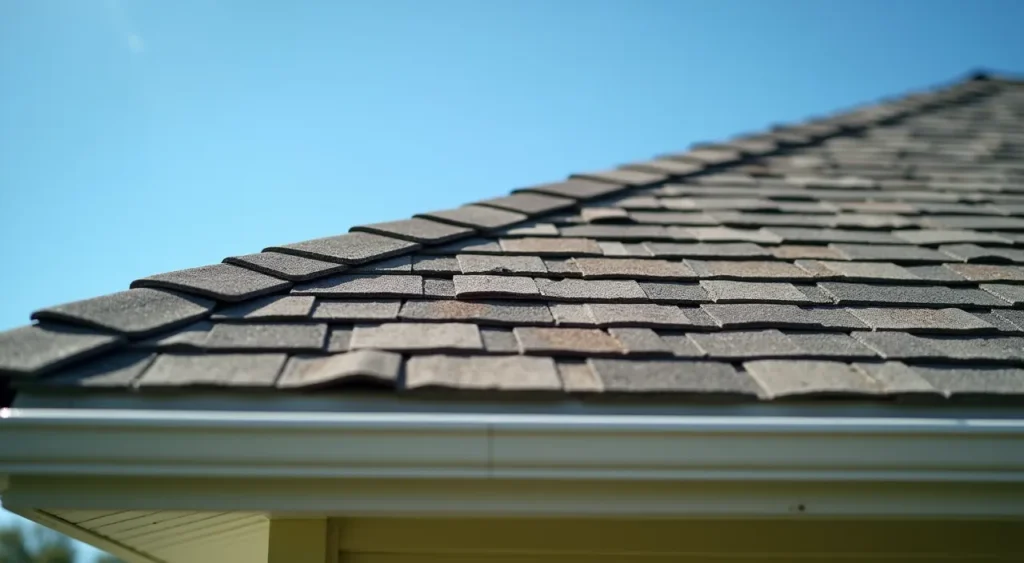
A Florida buyer with a mortgage must have homeowners insurance in force at closing, and Florida carriers now decline houses over roof age, electrical panel type, plumbing material and prior claims. If no carrier will write the policy, the lender cannot fund, and the sale dies during underwriting even though your buyer and your price were both fine. The seller usually finds out three to five weeks into escrow.
How the chain breaks
It runs in one direction and it breaks in a predictable place.
- Buyer needs a mortgage.
- Lender requires a homeowners policy in force at closing.
- Carrier requires a four-point inspection on older homes and, for wind coverage, a wind mitigation report.
- Inspection reveals a roof past its acceptable age, an unacceptable electrical panel, or original plumbing.
- Carrier declines. Another carrier declines. Citizens has its own conditions.
- No policy, so no loan. The contract dies.
Note where the failure happens: at step six, three to five weeks after you accepted the offer and took your house off the market.
What a four-point inspection looks at
Four systems, and only four. Carriers generally require it on homes over roughly thirty years old, though the threshold varies.
- Roof. Age, material, remaining life. Many carriers will not write a shingle roof over fifteen years old, or will write it only at actual cash value rather than replacement cost.
- Electrical. Panel brand and type, service amperage, wiring material. Federal Pacific Stab-Lok and Zinsco panels are widely refused. Aluminum branch wiring from the late 1960s and early 1970s is a common decline.
- Plumbing. Supply and waste materials. Polybutylene supply lines, common in Florida from the late 1970s into the 1990s, are a frequent decline. Cast-iron waste lines are increasingly flagged.
- HVAC. Age and condition.
None of those are structural problems. A house can be perfectly sound and still fail.
Wind mitigation is the one that saves money
A wind mitigation inspection is separate and it works in your favor. It documents roof-to-wall attachments, roof deck fastening, roof geometry, opening protection and the roof covering’s code compliance. Features like hurricane clips or straps, a hip roof and impact-rated openings can produce meaningful premium credits.
If your house has any of these and there is no wind mitigation report on file, getting one is one of the cheapest things a Florida seller can do. It makes the house more insurable for your buyer, which makes it more sellable.
Your options when the house fails
There are four and they are all legitimate depending on your circumstances.
- Fix it. A new roof and panel upgrade makes the house insurable. It also costs real money you may not have, and you are spending it on a house you are leaving.
- Credit the buyer. Reduce the price so the buyer funds the work. Note this only helps if the buyer can still bind a policy to close, which is often the problem in the first place.
- Find a cash buyer. No lender, no insurance requirement at closing, no underwriting. The insurability problem becomes the buyer’s to solve afterwards.
- Wait. Rarely improves anything. Roofs do not get younger and the Florida market has not loosened.
Questions
Frequently asked
Can a buyer just go without insurance?
Not with a mortgage. A cash buyer can choose to self-insure, which is one reason cash buyers can purchase houses nobody else can.
What is Citizens Property Insurance?
Florida’s state-created insurer of last resort, for owners who cannot get coverage in the private market. It has its own eligibility rules and a depopulation process that can move policyholders to private carriers.
Does a new roof guarantee insurability?
It removes the most common decline, but a carrier still looks at the panel, the plumbing, the claims history and the location.
Will my old claims affect the sale?
They can. Claims history follows the property through industry databases, and a property with repeated water or roof claims is harder for any buyer to insure.